
When my wife Liz and I lock up our house in Louisville and trade the Midwest chill for the white sands of the Mexican Caribbean, the first thing we want to do is dive straight into that turquoise water. After navigating airport security, domestic flights to a hub, and the crowded Cancun arrivals terminal, the ocean looks like the ultimate reward.
But if you are an American tourist planning a getaway to Cancun—whether it is a wild party trip, a romantic anniversary, or a quick escape—there is a danger lurking just off the shore you should know about.
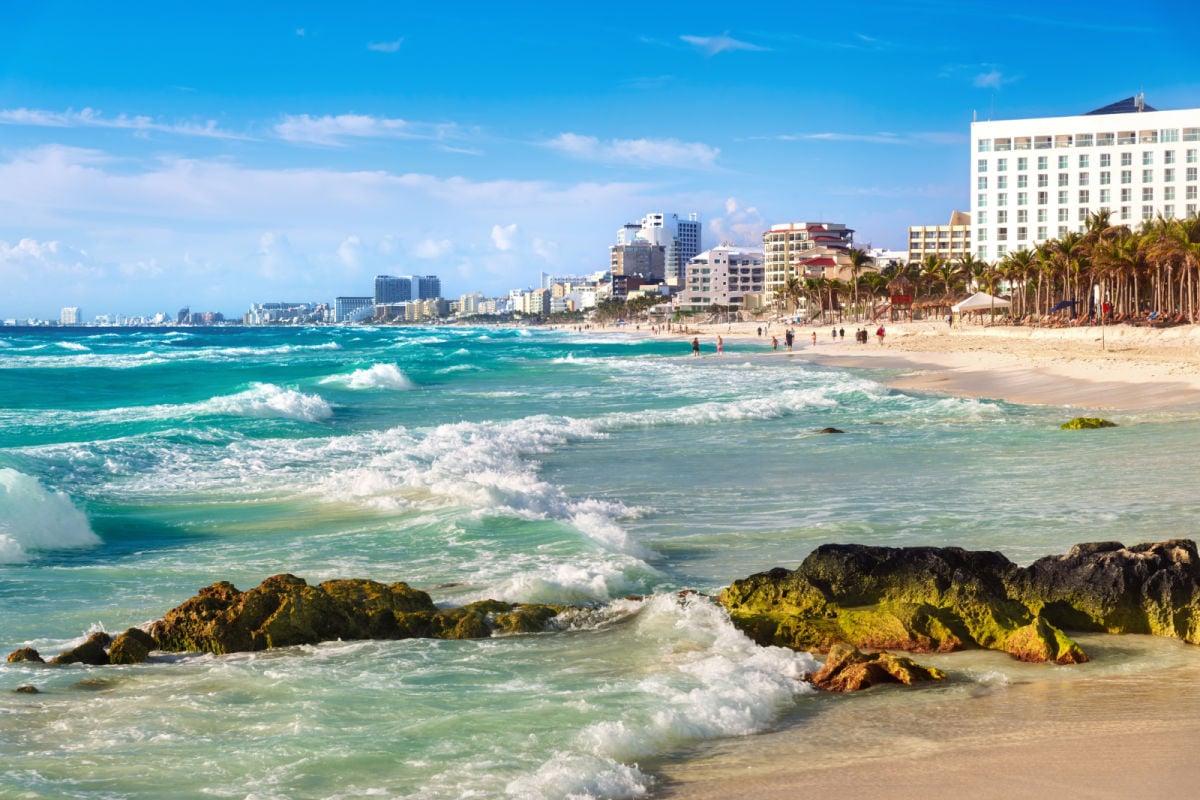
Every single year, like clockwork, the U.S. Embassy in Mexico issues travel alerts to U.S. citizens regarding the threat of rip currents in Cancun.
This annual warning is not just standard bureaucratic red tape designed to cover their bases. It is a highly necessary bulletin because, quite frankly, a staggering number of U.S. travelers have absolutely no idea how to read the ocean.
If you grew up splashing in the relatively calm, shallow waters of the Florida Panhandle or you are used to the predictable breaks of Southern California, the Caribbean Sea operates by a different set of rules.
Here is exactly why U.S. officials sound the alarm for Americans every year, and the insider tips you need to survive a rip current without spending thousands of U.S. dollars on a foreign emergency room bill.
The “Treadmill” Effect
Back stateside, many Americans mistakenly believe that a rip current (often incorrectly called an “undertow”) is a magical underwater vortex that pulls you down to the ocean floor. That is entirely false.
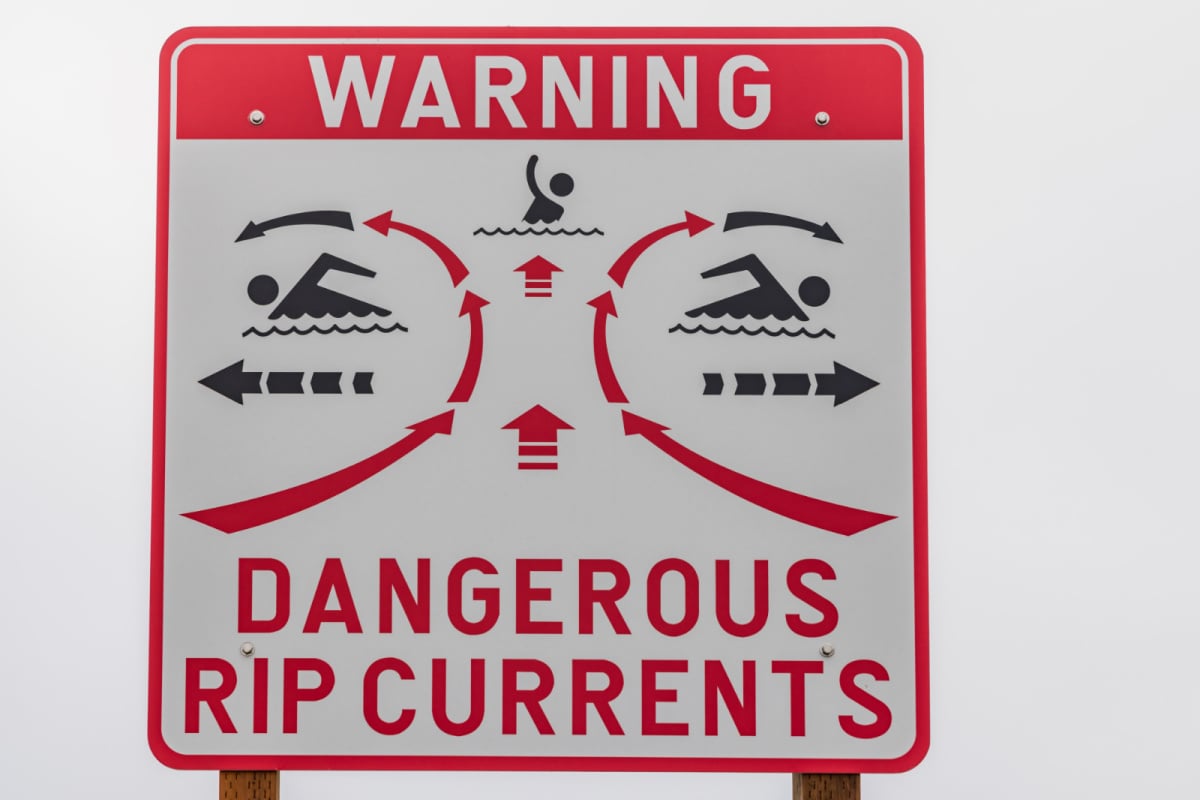
A rip current is simply a powerful, narrow channel of fast-moving water that acts like a massive aquatic treadmill flowing directly away from the beach. When massive amounts of water are pushed toward the shore by breaking waves, that water has to find a way back out to the open ocean. It finds the path of least resistance—usually a break in a sandbar—and rushes backward at speeds up to eight feet per second. That is faster than an Olympic swimmer.
If you aren’t familiar with rip currents, your instinct will be to fight it. You will panic, face the luxury resorts on the beach, and swim as hard as you can directly against the current. This is exactly how tourists drown. You will exhaust yourself in three minutes flat.
Pro-Tips to Spot a Rip Current (That Most Tourists Don’t Know)
The U.S. government warns Americans to be careful, but they rarely tell you exactly how to spot these invisible rivers. Before you order your first margarita on the beach, use these lesser-known tricks to read the water:
1. Beware the “Calm” Water Trap:
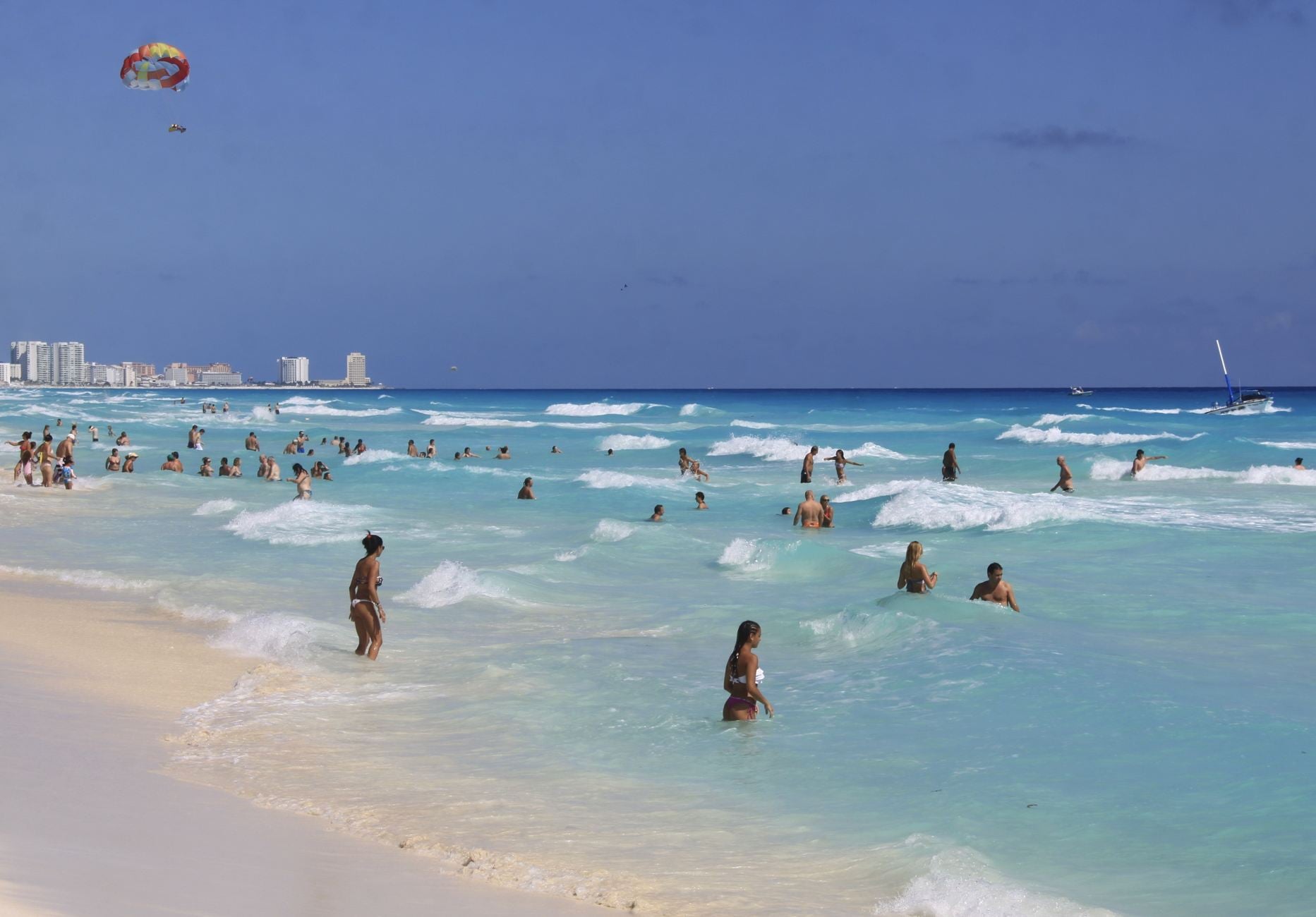
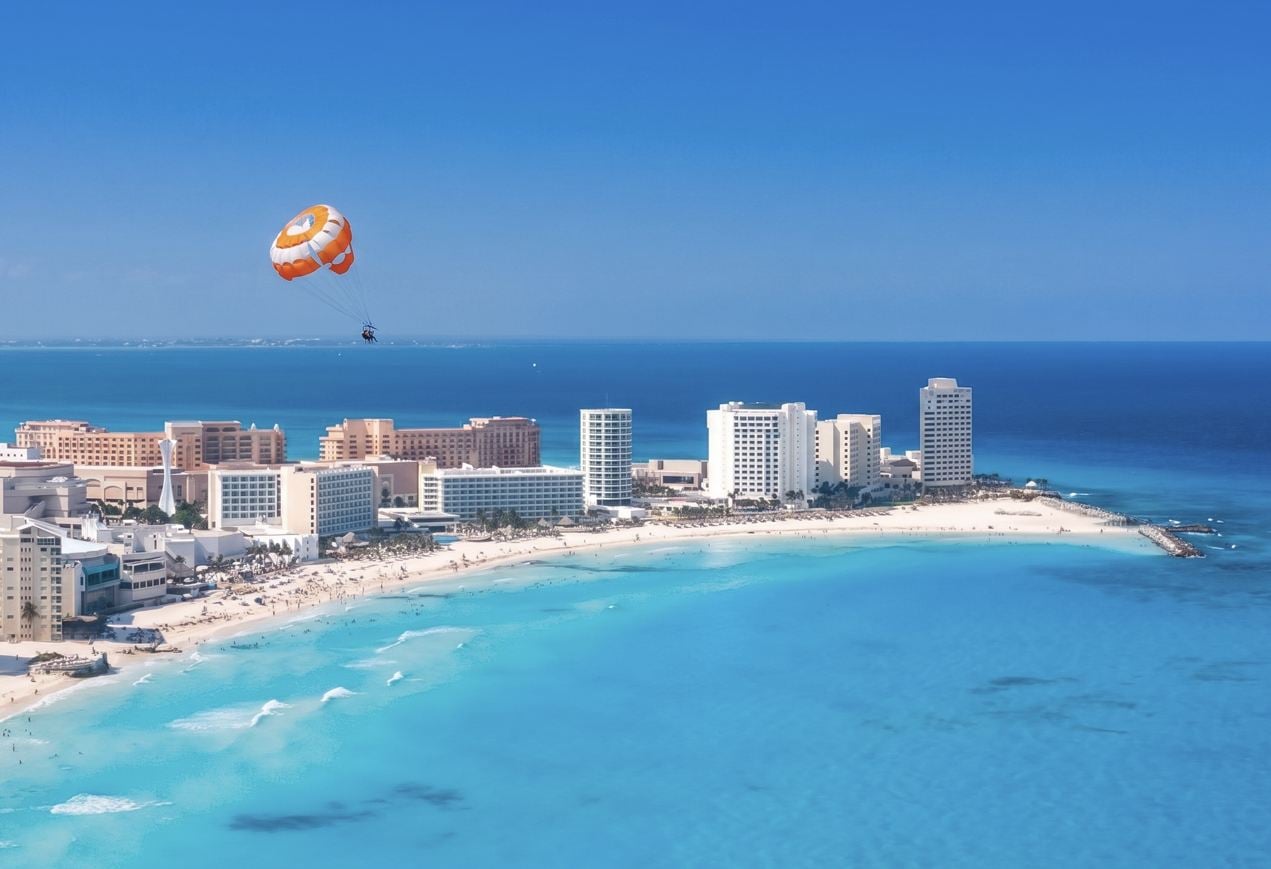
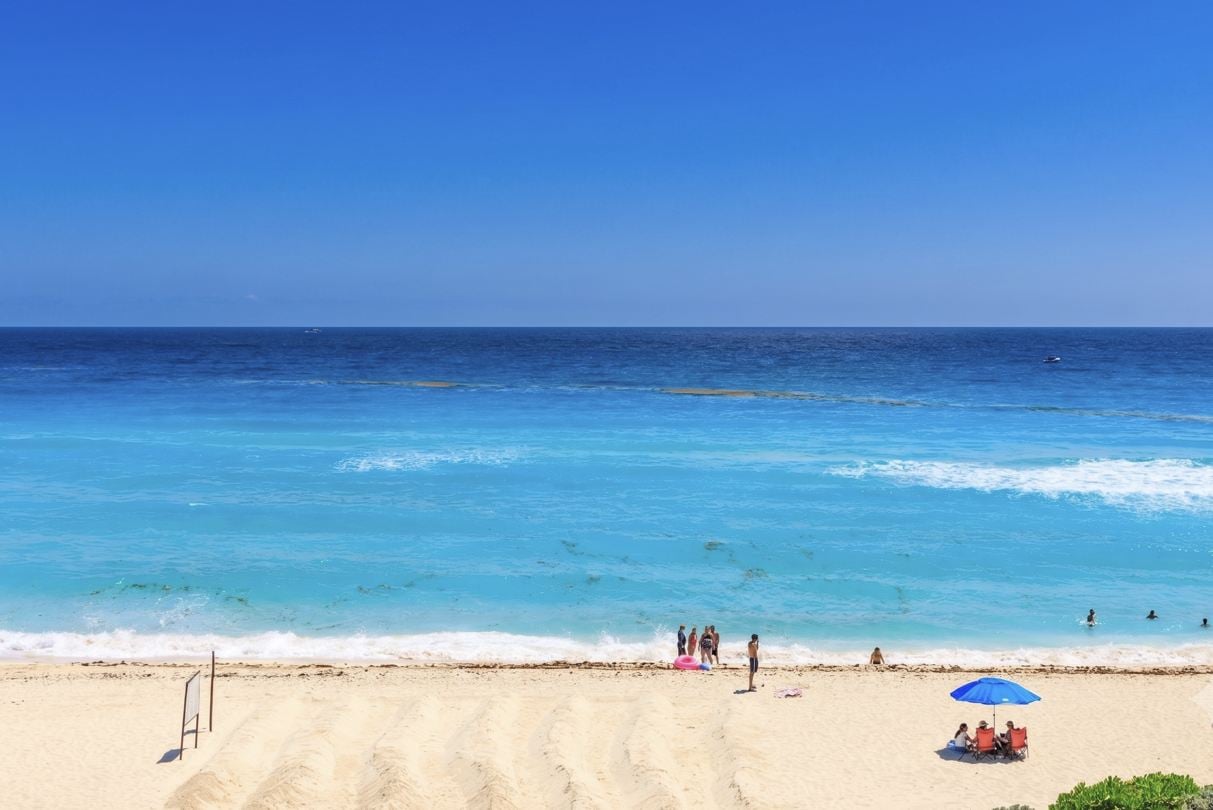
This is the number one mistake U.S. travelers make. When Americans look at the ocean, they naturally seek out the calmest-looking patch of water to wade into, avoiding the areas where the waves are crashing heavily. In Cancun, that calm, flat gap between the breaking waves is often the exact location of the rip current. The water is rushing out to sea so fast that it prevents the incoming waves from breaking. Do not let the serene surface fool you.
2. Put On Your Polarized Sunglasses:
If you bought a good pair of polarized sunglasses at a stateside sporting goods store before your trip, put them on and stare at the water. Polarized lenses cut the surface glare of the sun, allowing you to see into the water. A rip current acts like a vacuum, sucking up sand and debris from the shoreline. Through your lenses, a rip will often look like a distinct, murky, brownish river cutting straight through the crystal-clear turquoise water.
3. Watch the Foam:
If you see a line of sea foam, seaweed, or floating debris moving steadily away from the beach toward the horizon, you are looking at a rip current.
How To Survive and Escape
If you are swimming in Cancun and suddenly realize the beach is getting further away despite your efforts, you must override your panic response.
Flip and Float: Do not fight the ocean. Flip onto your back, fill your lungs with air to increase your buoyancy, and simply float. Let the current take you. A rip current will not pull you under; it will just carry you out. Eventually, the current will dissipate, usually just past the line of breaking waves.
Swim Parallel: Once you feel the pull stop, do not swim straight back to your beach chair. Swim parallel to the shoreline—just like you would if you were swimming down the coast of Florida—until you are entirely out of the narrow channel. Then, let the natural push of the incoming waves help carry you safely back to the sand.
Respect the Mexican Flag System
Finally, leave your U.S. beach assumptions at the border and learn the local flag system. In Cancun, a green flag means the water is completely safe. A yellow flag means use caution. A red flag means extreme danger (often indicating active rip currents), and a black flag means the beach is entirely closed.
Remember, lifeguards in Cancun typically clock out by 5:00 PM or 7:00 PM at the latest. There is no U.S. Coast Guard waiting just around the corner to pluck you out of the dark water after a late-night swim.
Your Mexican vacation should be the highlight of your year. By understanding the physics of the Caribbean Sea and paying attention to those annual U.S. Embassy alerts, you can ensure you return home safely with nothing but a great tan and a few souvenirs in your suitcase.
Join Our Cancun Sun Community of 16,000+ Members
Get real-time answers to your travel questions from our team of local experts and thousands of fellow travelers directly inside our interactive group.
Find Your Perfect Cancun & Riviera Maya Resort In Seconds
This simple, powerful tool was built by our on-the-ground experts to match you with the ideal resort for your specific budget and travel style.
The Ultimate Cancun Trip Planner
When’s the best time to go? Our powerful month-by-month guide breaks down the weather, crowds, sargassum, and prices for your perfect trip.
Enter your email address to subscribe to The Cancun Sun’s latest breaking news affecting travelers, straight to your inbox.