
It is a tense scenario for every tech-heavy traveler or digital nomad. You land in Cancun, grab your bags, and head toward the exit. You walk past the customs officers, hoping to blend into the crowd.
Suddenly, an officer steps in front of you.
They didn’t stop you because you pushed a button and got a “Red Light”—that old system is gone. They stopped you because you were randomly selected.

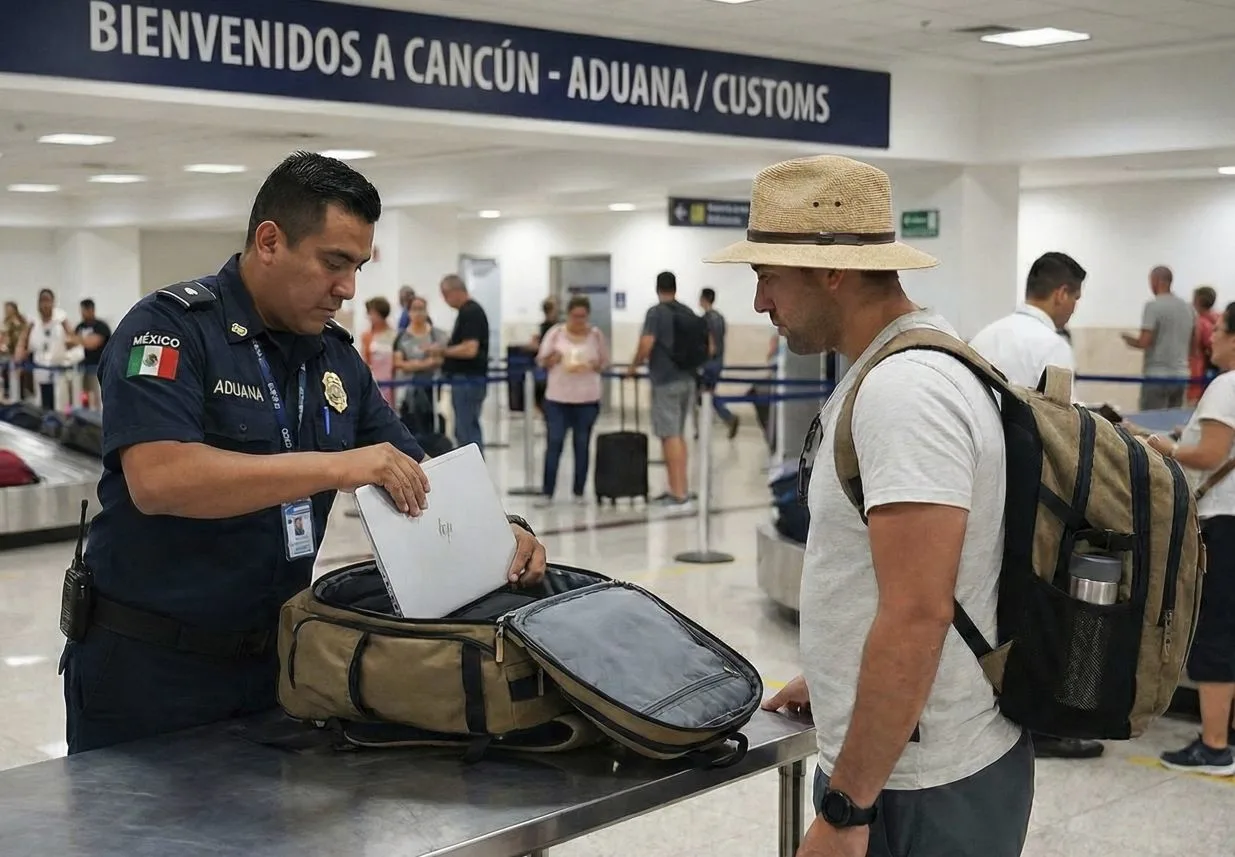
Inside, they find your personal MacBook, your work PC, an iPad, and a Kindle. Next thing you know, you are being asked to pay hundreds of dollars in “taxes” before you can leave the terminal.
For years, this was a constant threat. The Mexican tax authority (SAT) has an old rule on the books: foreign tourists are officially allowed to bring only one portable computer duty-free. Anything beyond that was subject to a 16-19% tax.
However, as we head into 2026, the landscape has shifted. Here is the definitive guide to the new “invisible” customs process, what the rules actually say, and the “gentleman’s agreement” that is saving tourists from fines.
The “One Laptop” Rule vs. The New Reality
Technically, the law has not changed. If you check the official SAT website, the “passenger franchise” still lists one portable computer as the limit.
However, enforcement has relaxed significantly. In late 2024, following a massive backlash from travelers and pressure from hotel associations, local authorities reached an agreement with customs officials to stop aggressively fining tourists for personal devices.

As we reported in our breakdown of this major policy shift, agents at Cancun International Airport (CUN) have been instructed to distinguish between a modern traveler with multiple tools and a smuggler. They recognize that carrying a laptop, a tablet, and a work computer is now standard behavior for the millions of Americans visiting the region.
The Verdict: While the law technically says “one,” the current operating procedure allows for reasonable personal use without the automatic fines of the past.
How The New Customs Really Works
The old “Red Light/Green Light” button is gone. The new system is less about luck and more about risk assessment.
- The Hidden Scan: Your checked luggage is scanned by high-tech X-ray machines behind the scenes before it reaches the carousel. If customs sees something suspicious (like commercial quantities of electronics), they will flag your bag or alert an officer to stop you once you retrieve it.
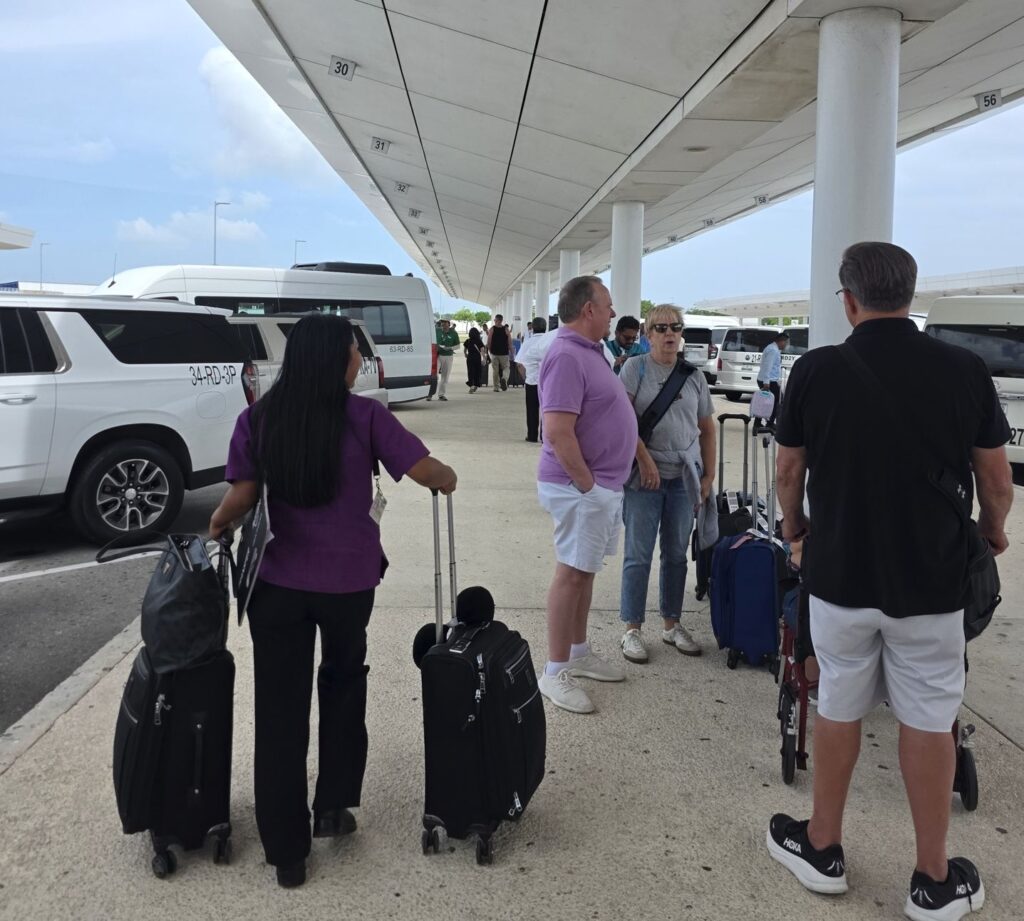
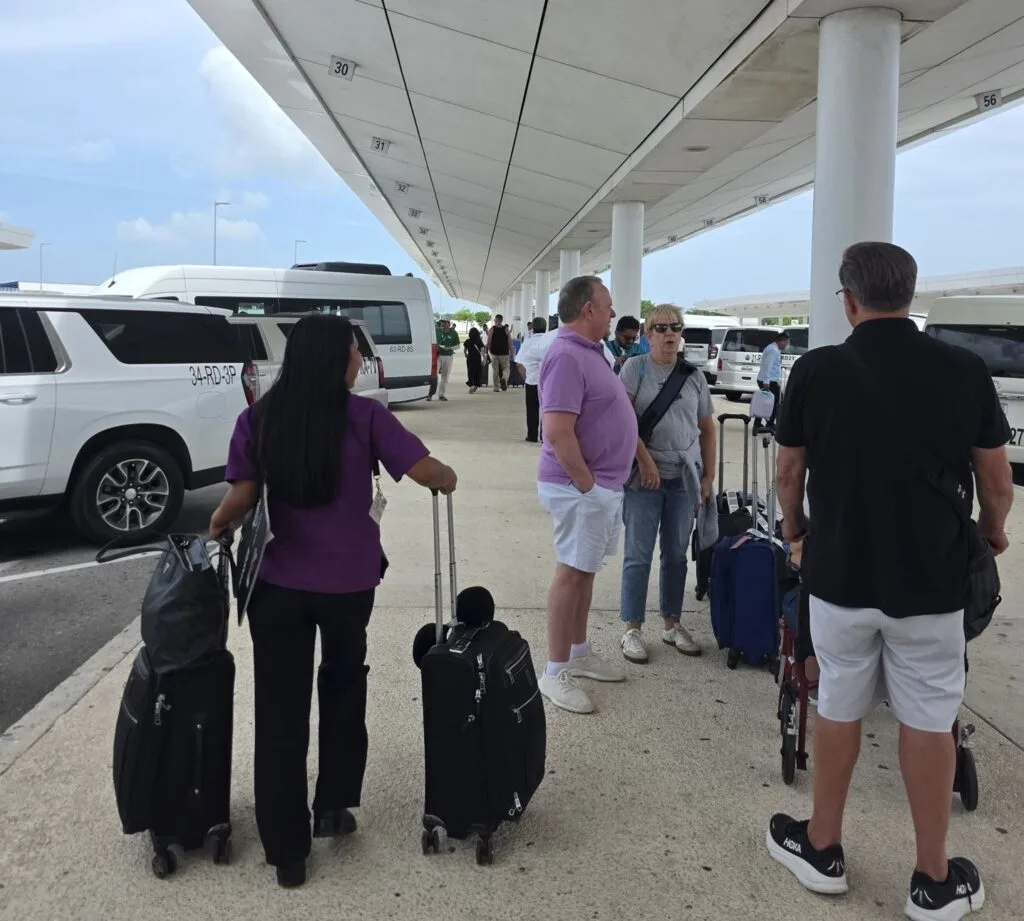
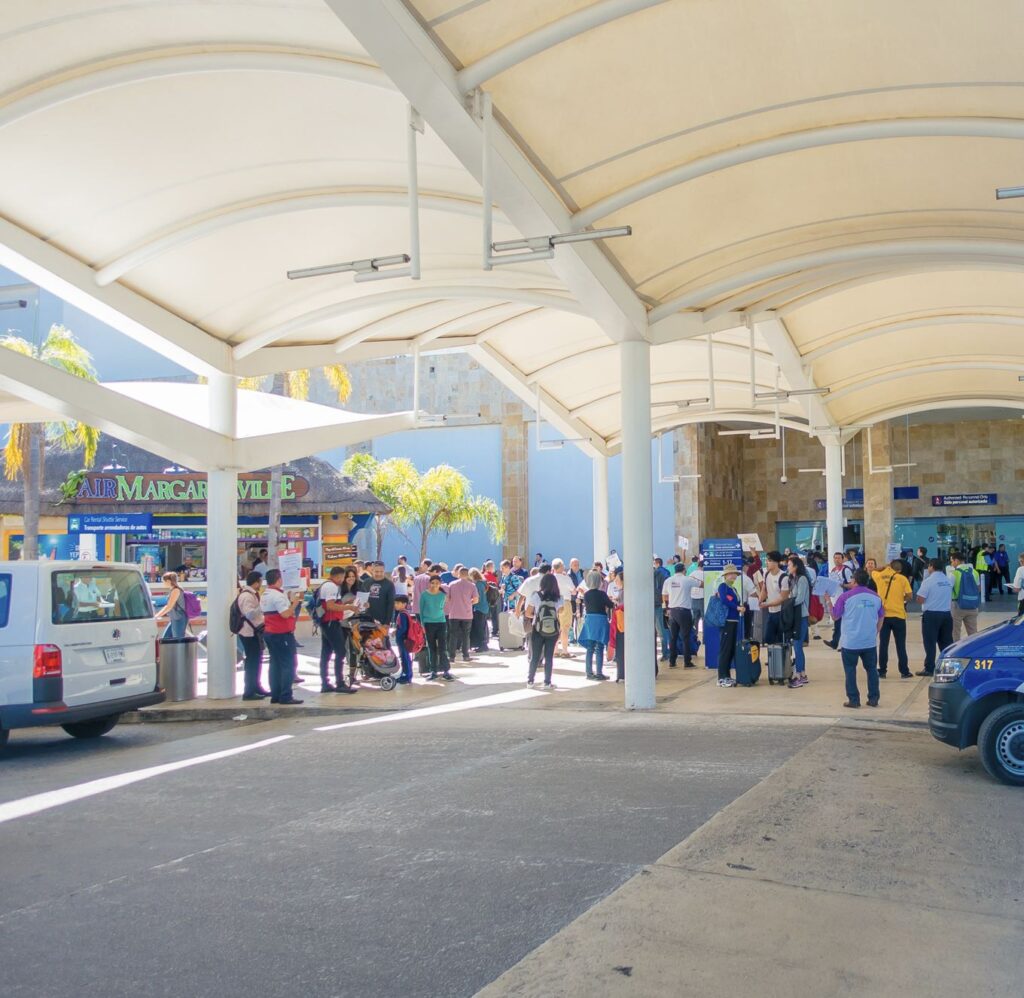
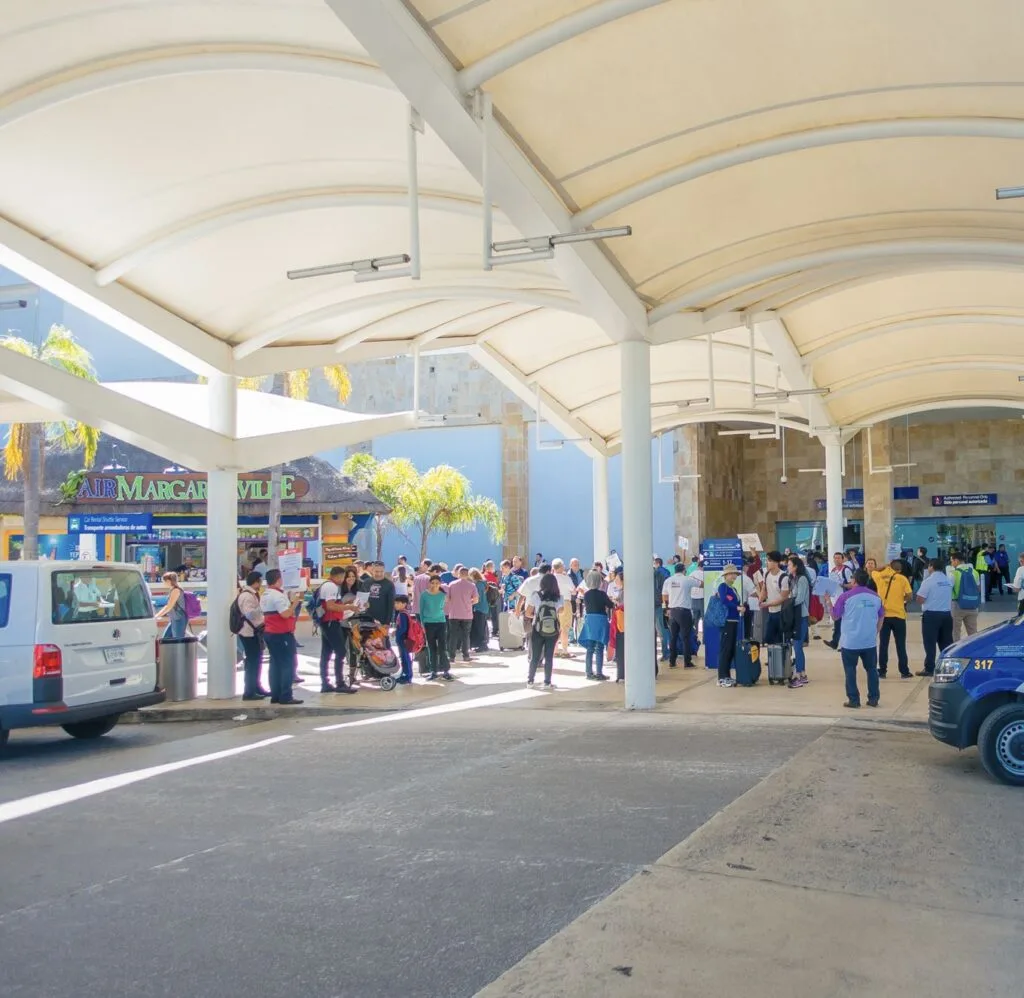
- The “Walk-Out”: Once you have your bags, you walk toward the exit. There is no button to push.
- The Stop: Officers are stationed at the exit watching the crowd. They rely on visual profiling. If you have an unusual amount of luggage, large boxes, or simply look nervous, they will pull you aside for a manual inspection.
This flow is designed to speed up arrivals, working in tandem with the new automated E-Gates to clear the terminal faster.
The Danger Zones: What Will Still Get You Flagged
While they have relaxed on laptops, if you get pulled over for a random check, these items can still cause problems if you don’t know the math.
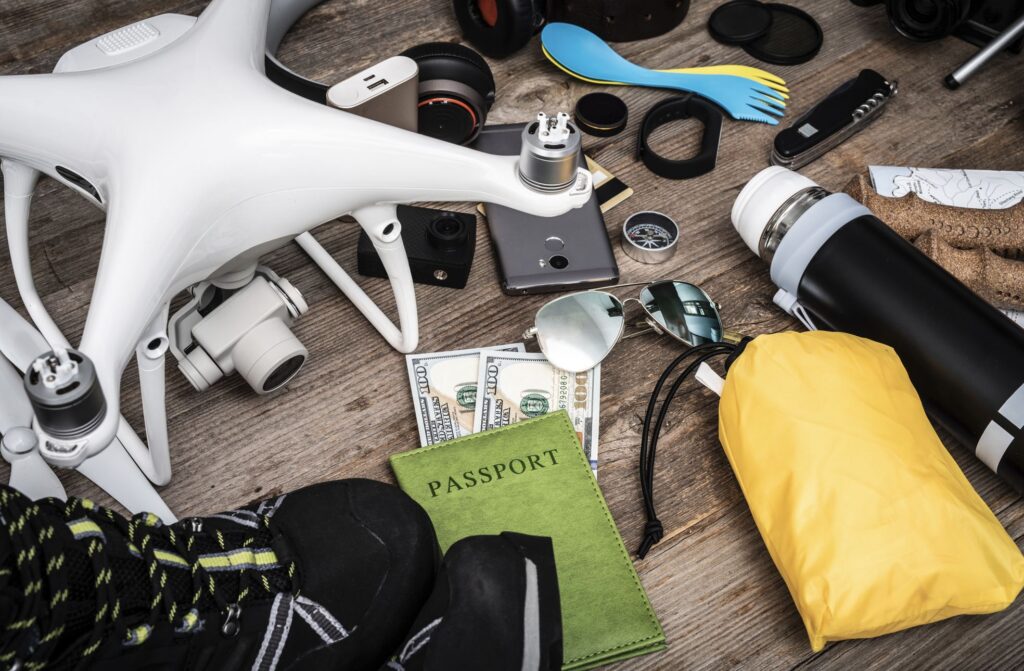
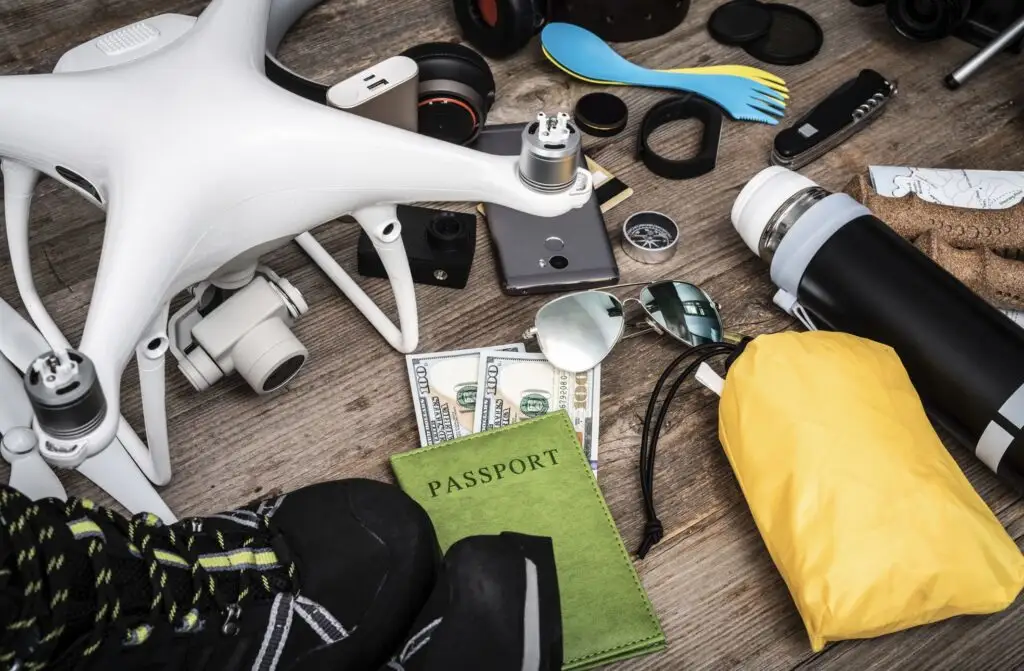
1. Drones (The “Rule of Two”) The rule allows for two cameras or video recording devices. A drone counts as one.
The Fix: Ensure your drone is one of your “two” cameras. As we warned in our list of items that get you flagged by customs, counting correctly is the only way to avoid the fine.
The Trap: If you bring a DSLR camera, a GoPro, and a Drone, you have three devices. You are one over the limit. You will be taxed ~19% on the value of the third item.
Advice For Digital Nomads
Cancun and Playa del Carmen are massive hubs for remote workers. If you are coming down for a month, you likely have a heavy tech bag.
1. Ditch The Boxes: Never travel with electronics in their original retail packaging. This screams “resale.”
2. Be Honest: If an officer stops you, explain calmly that you are a remote worker. The region is actively courting this demographic, and as we noted in our guide for digital nomads, identifying yourself as a long-stay worker can often de-escalate a “tax” situation.
The Bottom Line
In 2026, the “One Laptop Nightmare” is largely fading away. The new customs process is faster and smarter. You can safely bring your work and personal devices without fear of extortion, provided you aren’t packing a store’s worth of inventory.
Focus less on your laptop count and more on efficient logistics. Once you clear the new customs lane, skip the timeshare sharks and head straight to your pre-booked transportation. The beach is waiting.
The Ultimate Cancun Trip Planner
When’s the best time to go? Our powerful month-by-month guide breaks down the weather, crowds, sargassum, and prices for your perfect trip.
Find Your Perfect Cancun & Riviera Maya Resort In Seconds
This simple, powerful tool was built by our on-the-ground experts to match you with the ideal resort for your specific budget and travel style.
Subscribe to our Latest Posts
Enter your email address to subscribe to The Cancun Sun’s latest breaking news affecting travelers, straight to your inbox.
Stephen Spiegel
Wednesday 26th of November 2025
So the, "How Many Laptops & Personal Devices Can You Actually Bring" is still up to who is working that day and how he feels as the rule hasn't officially changed. Why not change the rule and make tourists feel welcome? Why keep a rule or rules that create an adversarial condition? Why assume that people coming to Mexico are criminals, trying to bring in items to sell?