
If you are planning a trip to the Mexican Caribbean or the Yucatán Peninsula in 2026, you have almost certainly heard about the Tren Maya (Maya Train).
This massive, 966-mile railway project is now fully operational, looping through five states and promising to whisk tourists away from the crowded beaches of Cancun and into the culturally rich, ancient heart of the jungle. It sounds like the ultimate travel hack—but before you abandon your rental car or airport shuttle, you need to understand the reality of riding this train.
Because the Tren Maya is entirely owned and operated by the Mexican Armed Forces, it operates under a very unique set of rules, security protocols, and logistical challenges. If you are wondering whether the train is actually safe, reliable, and worth the ticket price, here is everything you need to know.
The Good News: It Is Highly Secure From Crime
When tourists ask if the train is “safe,” they are usually asking about violence or highway robbery. In that regard, the Tren Maya is incredibly secure.
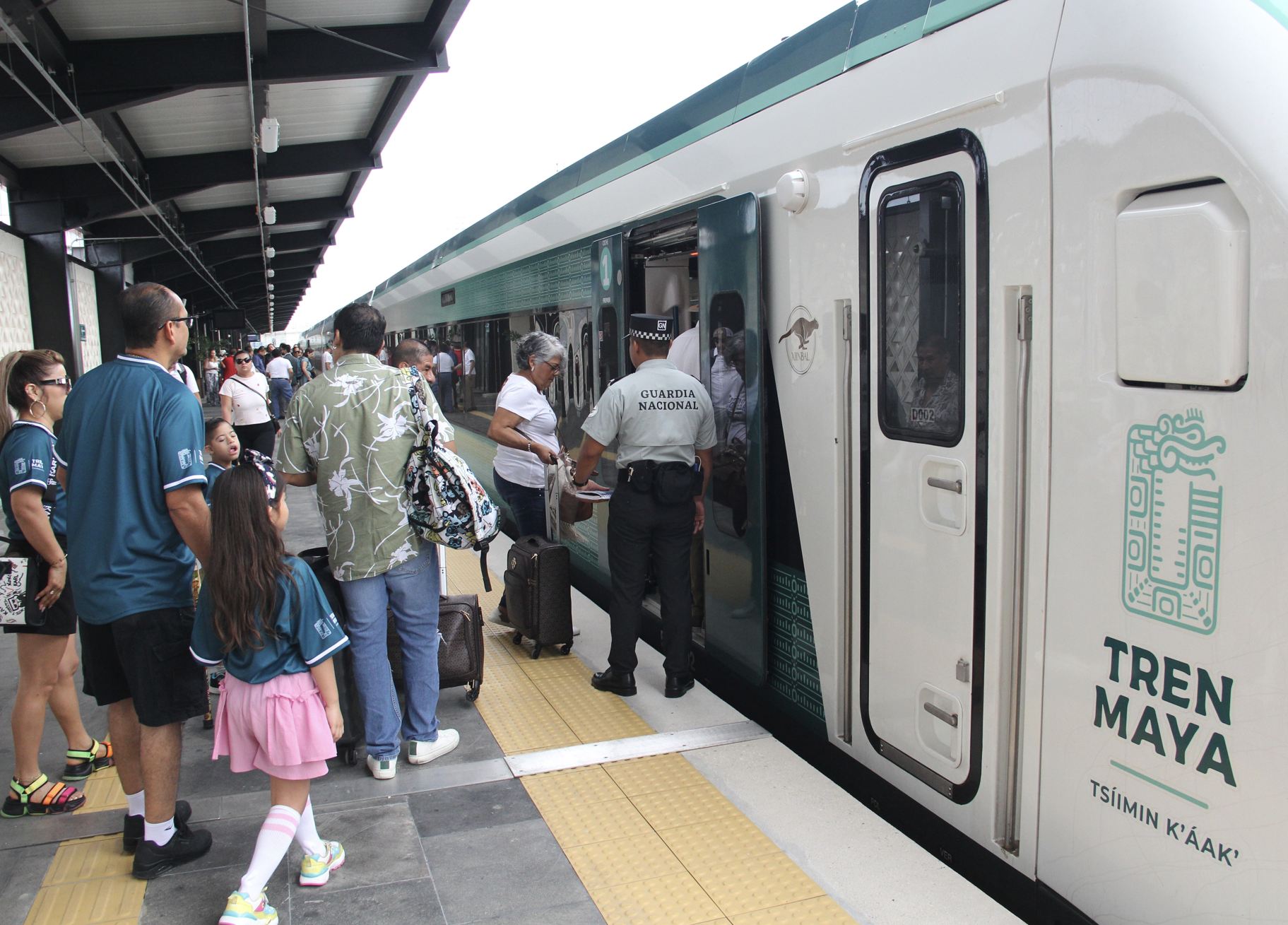
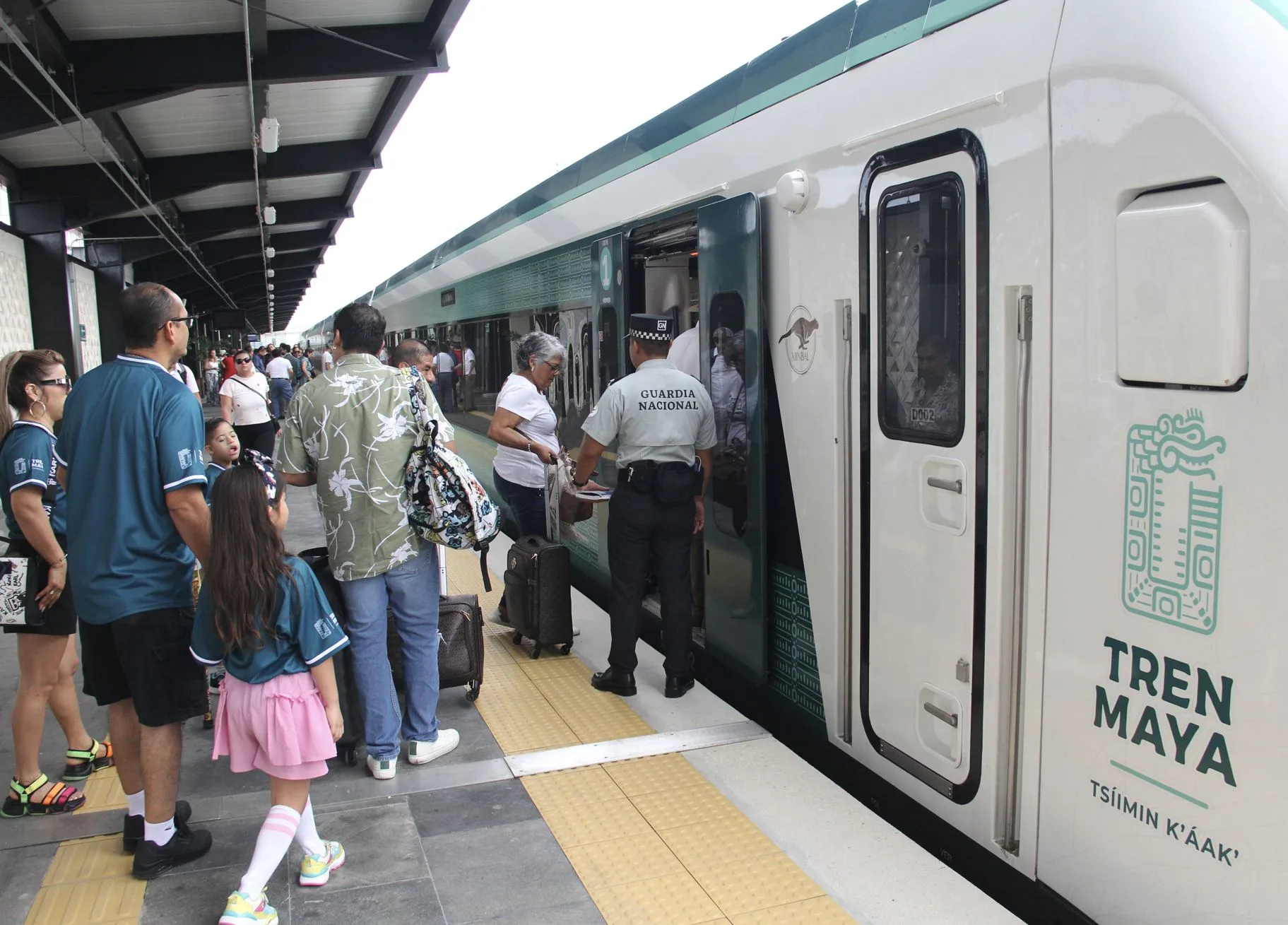
Because it is a multi-billion-dollar federal megaproject operated by the military, the government does not take any chances with security. At major stations like Cancun, Tulum, and Mérida, you will see a massive, highly visible deployment of the National Guard and state police. This heavy militarization acts as an absolute deterrent to organized crime.
Furthermore, the core tourist states the train runs through—Yucatán, Campeche, and Quintana Roo—are statistically very safe for international tourists who stick to the established corridors. The U.S. State Department currently ranks Yucatán and Campeche as “Level 1” (the same safety rating as Canada or Japan), meaning your risk of encountering violent crime while riding the train through these areas is exceptionally low.
Note: The only major geopolitical risk zone on the route is the southern terminus in Palenque, Chiapas (Level 3). If you travel that far south, stick strictly to daylight hours and pre-arranged tours.
The Bad News: The “Last Mile” Problem Will Drive You Crazy
The biggest safety and logistical headache of the Tren Maya isn’t on the tracks; it is getting to the tracks.
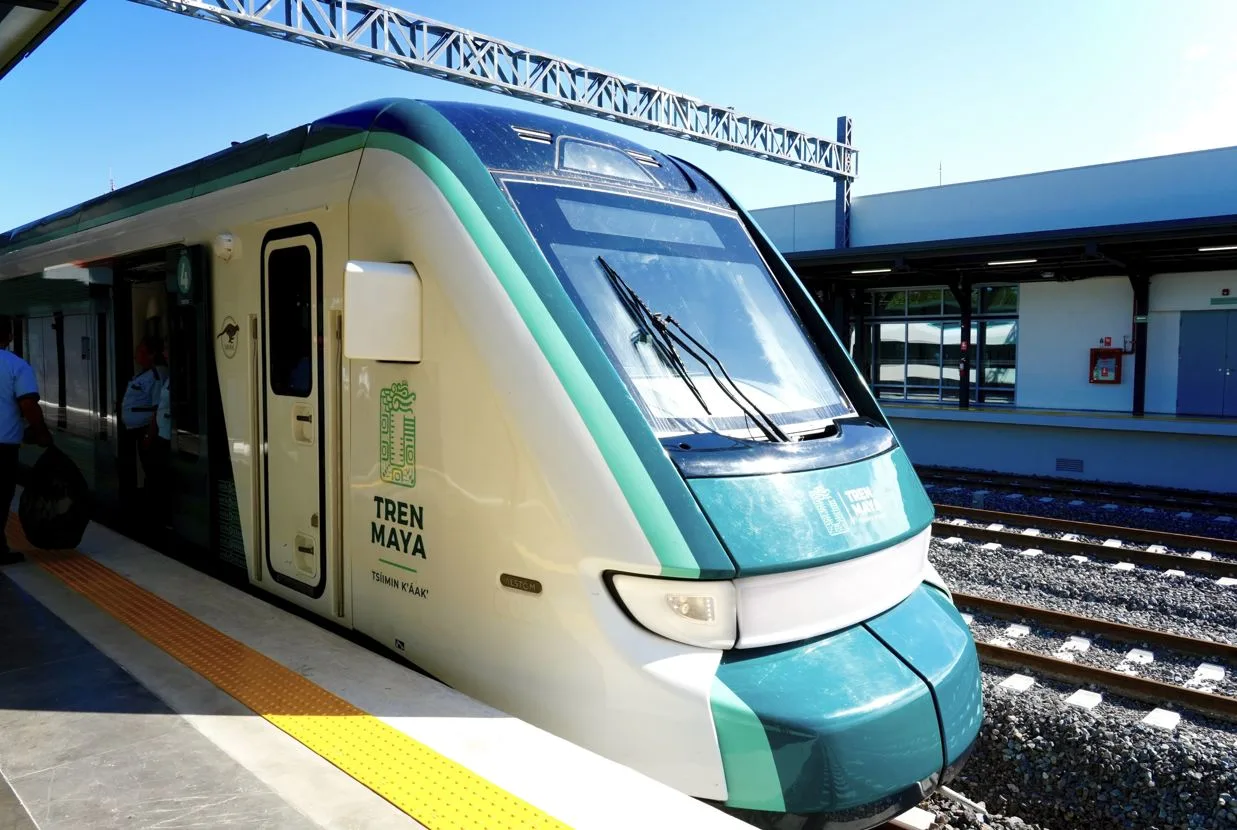
To protect the fragile jungle and avoid buying expensive city real estate, almost all of the train stations were built miles away from the actual tourist destinations. This creates a severe “last mile” problem.
- Cancun: The station is not attached to the airport terminals. You must take a mandatory, 20-minute green “Conexión” shuttle bus just to get from your flight to the train.
- Tulum: The station is located deep in the jungle, miles away from the beach. When you get off the train, you are at the mercy of the local taxi syndicates, who routinely charge exorbitant, unregulated fares (sometimes over $50 USD) for a simple 10-minute ride to the Hotel Zone.
- Chichén Itzá: You cannot just step off the train and look at the pyramids. You must disembark, buy a secondary bus ticket, wait in line, and take a 15-minute shuttle to the actual ruins.
Because of these isolated stations, a journey that looks fast on paper often takes much longer—and costs much more in taxi fares—than simply taking a direct, luxury ADO bus from city to city.
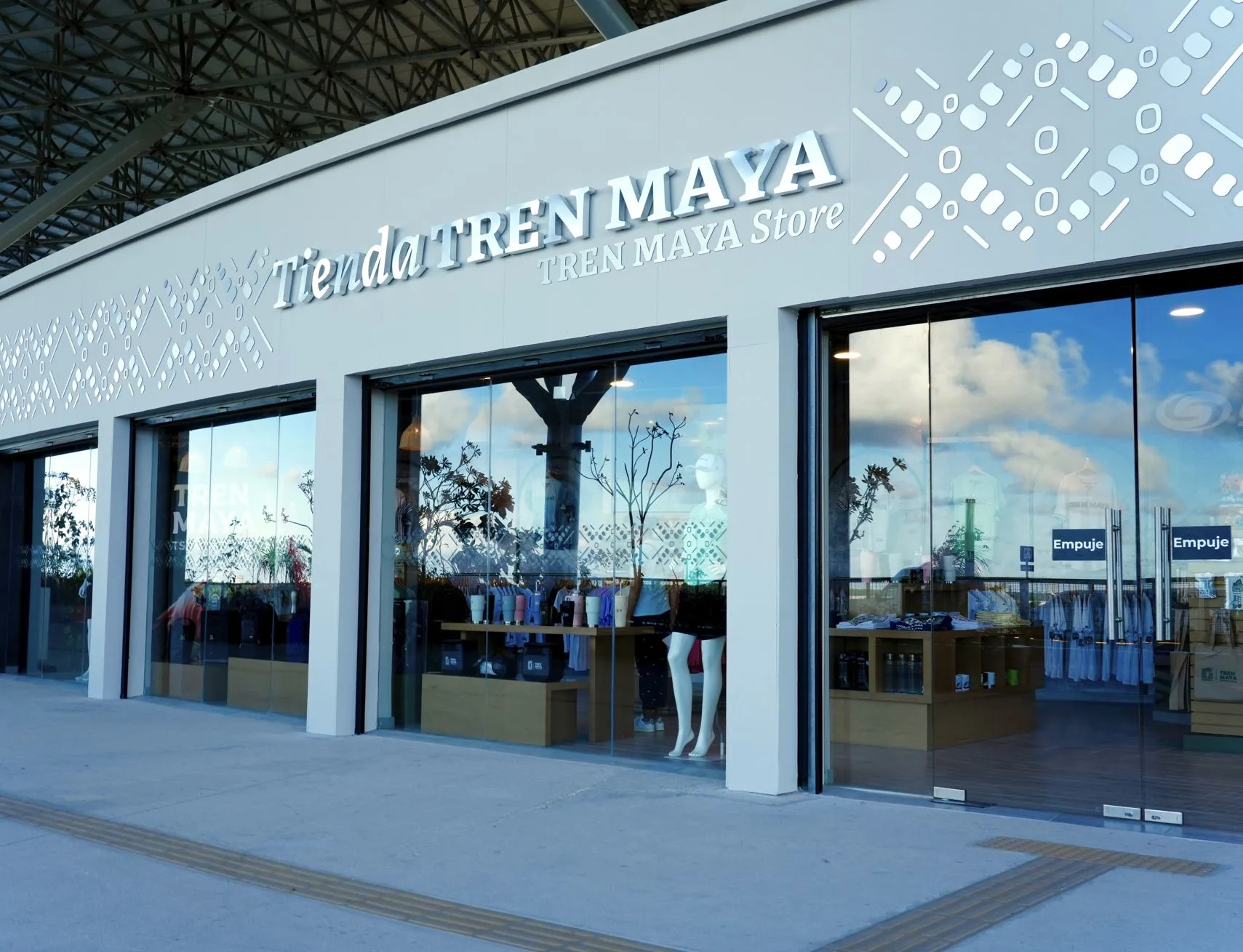
The Mechanical Reality: Expect Delays and Glitches
The train utilizes brand-new, modern passenger cars that are heavily air-conditioned and comfortable. However, because the massive megaproject was rushed to meet political deadlines, the infrastructure is still experiencing major growing pains.
Since it opened, the train has suffered multiple low-speed derailments near stations (caused by faulty automated track switches) and frequent technical failures, including sudden losses of air conditioning or power in the middle of the jungle. While no tourists have been injured in these slow-speed incidents, they often require passengers to evacuate the train and finish their journey on government buses.
If you book a ticket, you must pack your patience and accept that mechanical delays are a very real possibility.
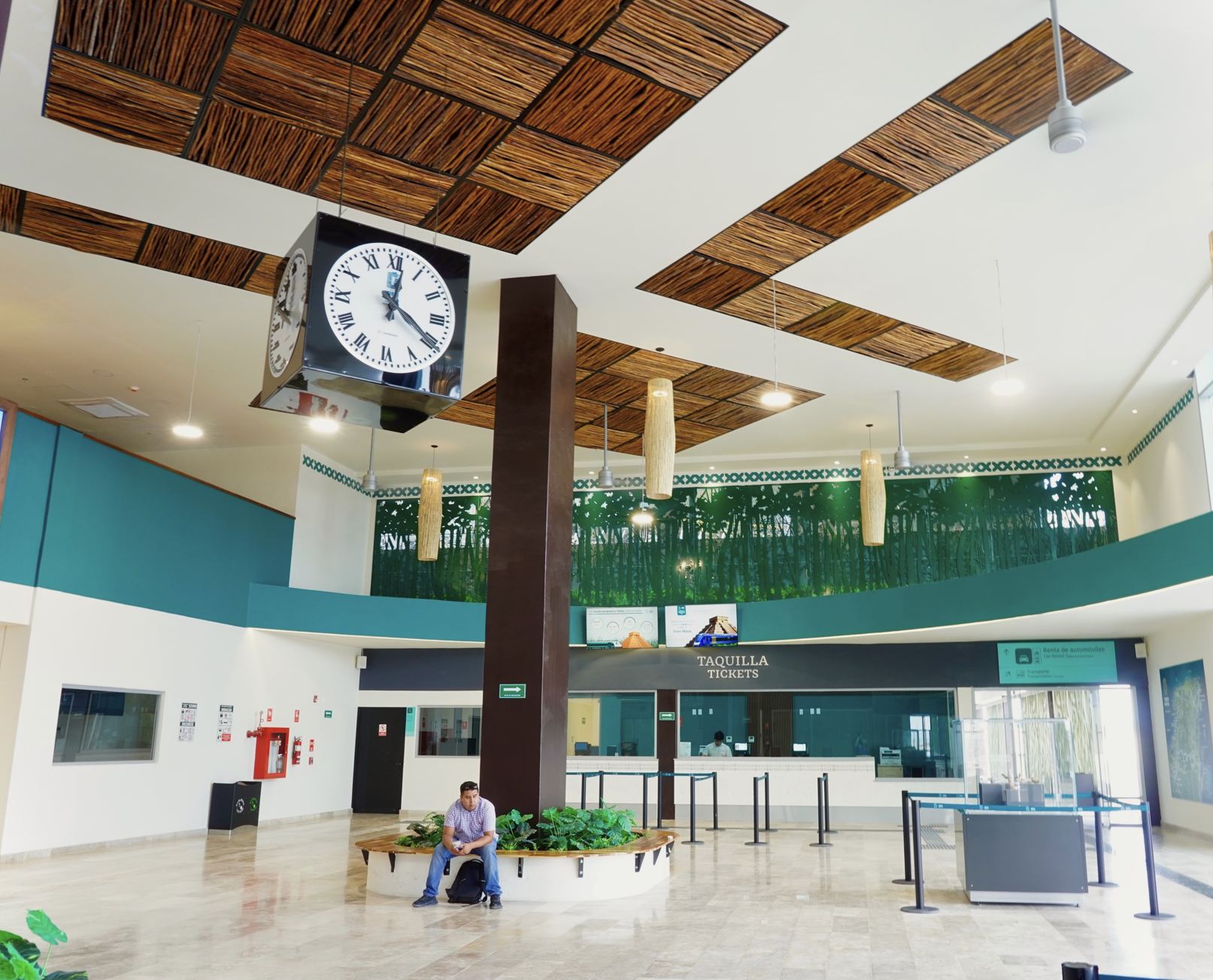
4 Strict Rules You Must Follow Onboard
Because the military runs the train, this is not a casual, unregulated party bus. You will be denied boarding or heavily fined if you break the rules:
- Luggage Limits: You are officially allowed one large suitcase and one carry-on, similar to an airline. You are entirely responsible for carrying your own heavy bags onto the train quickly during brief station stops.
- No Vapes Allowed: Bringing vaping devices, e-cigarettes, or nicotine liquids into Mexico is highly illegal. If the military checkpoint at the station finds a vape in your bag, it will be confiscated, and you could face fines exceeding $10,000 USD.
- Bring Your Passport: You must show a valid passport to buy an international ticket and to board the train. A driver’s license will not work.
- Pet Restrictions: Only small dogs and cats (under 10kg) in proper carriers are allowed, and you must present official veterinary health certificates 60 minutes before departure.
The Tren Maya Reality
The Bottom Line
Is the Tren Maya safe? Yes, from a physical security standpoint, it is heavily guarded and highly secure.
Is it convenient? That depends entirely on your itinerary. If you are a traveler with reduced mobility (the train is incredibly wheelchair accessible) or you want to travel deep into the Yucatán or Campeche without driving, it is a fantastic option.
However, if you are just trying to get from the Cancun Airport to your resort in Tulum or Playa del Carmen, skipping the train and booking a direct, private shuttle is still the fastest, cheapest, and least stressful way to travel.
The Ultimate Cancun Trip Planner
When’s the best time to go? Our powerful month-by-month guide breaks down the weather, crowds, sargassum, and prices for your perfect trip.
Find Your Perfect Cancun & Riviera Maya Resort In Seconds
This simple, powerful tool was built by our on-the-ground experts to match you with the ideal resort for your specific budget and travel style.
Subscribe to our Latest Posts
Enter your email address to subscribe to The Cancun Sun’s latest breaking news affecting travelers, straight to your inbox.