
If you’re dreaming of that first swim at Playa Delfines after landing at Cancun Airport, this is your reminder to check the flag before you run into the waves.
A young tourist was just rescued from drowning at Playa Delfines after heading roughly 60 meters out despite not knowing how to swim. Thanks to the fast response from lifeguards and firefighters, he made it back to shore—but it could easily have been a tragedy.
For us at The Cancun Sun, it’s yet another wake-up call that beach flags, lifeguards, and your own swimming ability matter just as much as the weather app.


What Happened At Playa Delfines
According to local reports, a 25-year-old visitor from Guadalajara entered the water at Playa Delfines and quickly found himself unable to return to shore. Lifeguards and firefighters from Cancun’s Heroic Fire Department responded around mid-afternoon and managed to bring him safely back to the sand. He declined further medical evaluation and left the beach.
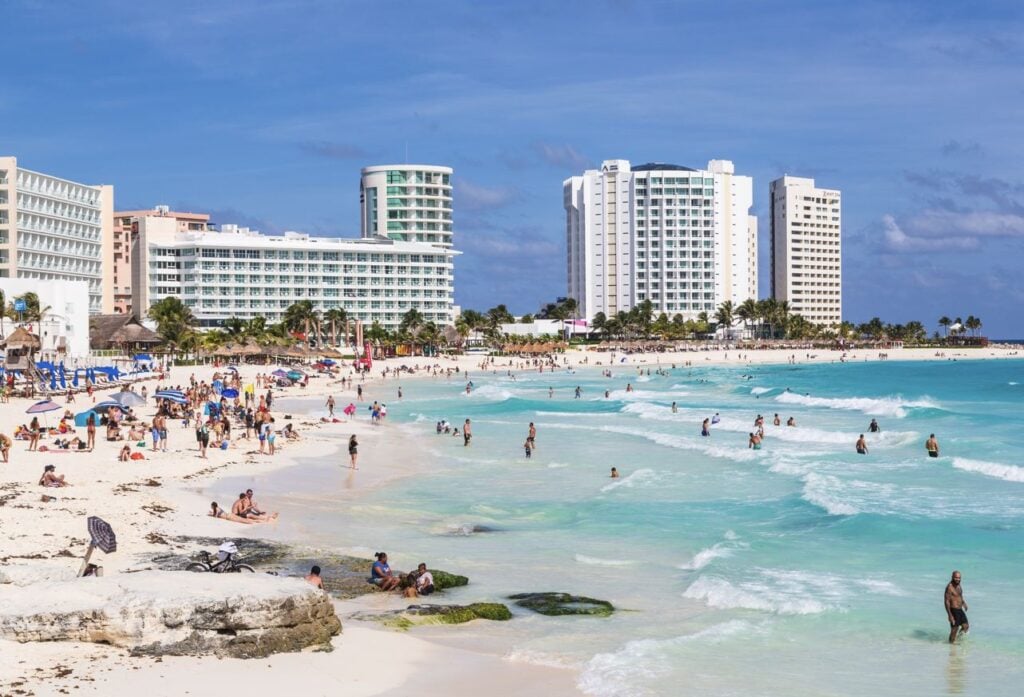
Playa Delfines is one of Cancun’s most iconic public beaches—home to the colorful “Cancún” sign and a favorite stop for first-timers. It’s also known for strong waves and powerful currents and frequently sees red or even black flags when the ocean is in a bad mood.
That mix—big surf, a famous photo spot, and thousands of excited visitors—explains why authorities and lifeguards keep repeating the same message: enjoy the view, but respect the flags.
As a local lifeguard put it to us recently, “If the flag says danger and you’re not a strong swimmer, that’s your sign to stay in the shallows or stick to the sand.”
Cancun’s Beach Flag System: What The Colors Really Mean
If you only remember one safety rule for your trip, make it this: the flag is your daily ocean forecast.
Cancun and the wider Mexican Caribbean use a simple color system that’s explained in detail in our Ultimate Cancun beach flag guide. Here’s the short version you should know before you hit the sand:
- Green: Generally calm conditions. Okay for most swimmers, but you should still stay alert and keep kids within arm’s reach.
- Yellow: Caution. Choppier surf or moderate currents—fine for confident swimmers close to shore, but risky for kids or weak swimmers.
- Red: Dangerous conditions. Strong currents or heavy surf; officials strongly urge you to stay out of the water. Many areas treat this as an effective “no swimming” warning.
- Black: Ocean closed. You can enjoy the sand and views, but you should not enter the water at all.
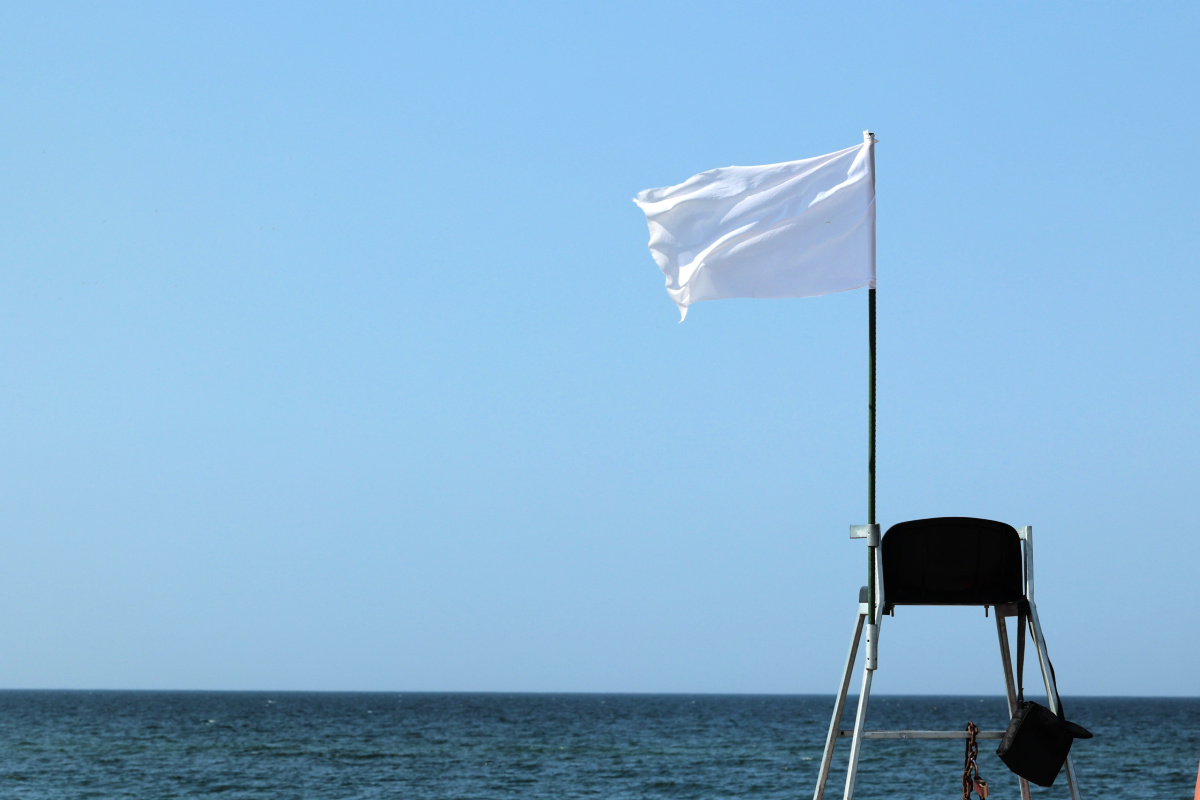
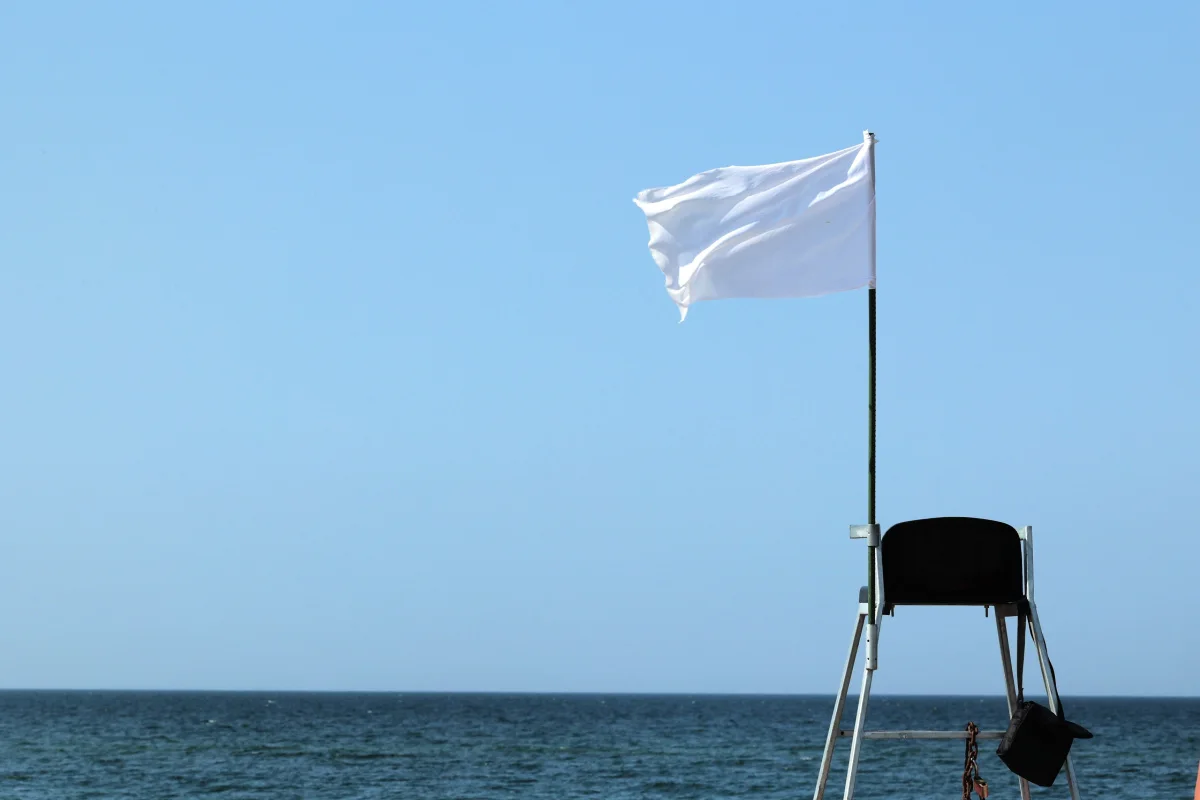
- White: Marine life warning—usually jellyfish or other stingers. Even if the sea looks calm, it’s a day to consider the pool instead.
We’ve just broken down the critical difference between red and black flags at places like Playa Delfines in a separate explainer on red vs. black flags, and it’s worth a read before you travel.
Simple Rules To Keep Your Beach Day Safe (And Still Fun)
The good news: you don’t need to be a local or a pro swimmer to stay safe. A few habits will dramatically lower your risk:
- Always check the flag before you even pick a chair. If you don’t see one, walk closer to the lifeguard tower or main beach access and look again—or ask.
- Swim near lifeguards. Cancun has added more lifeguards to popular beaches like Playa Delfines, Marlín, and Chac Mool specifically to protect tourists this high season.
- Be honest about your swimming ability. If you only swim comfortably in a resort pool, treat red-flag surf as “look, don’t touch.” This is exactly the situation that led to the latest rescue.
- Never mix heavy drinking and swimming. Officials have linked multiple rescues and accidents to alcohol over the past few seasons.
- Watch kids like a hawk. Even in green or yellow conditions, keep them shallow and within arm’s reach.
- If in doubt, stay out. This is the mantra local officials repeat after every incident and tragedy.


Choosing The Right Beach (And Day) For Swimming
Not all beaches—or days—are equal in the Mexican Caribbean.
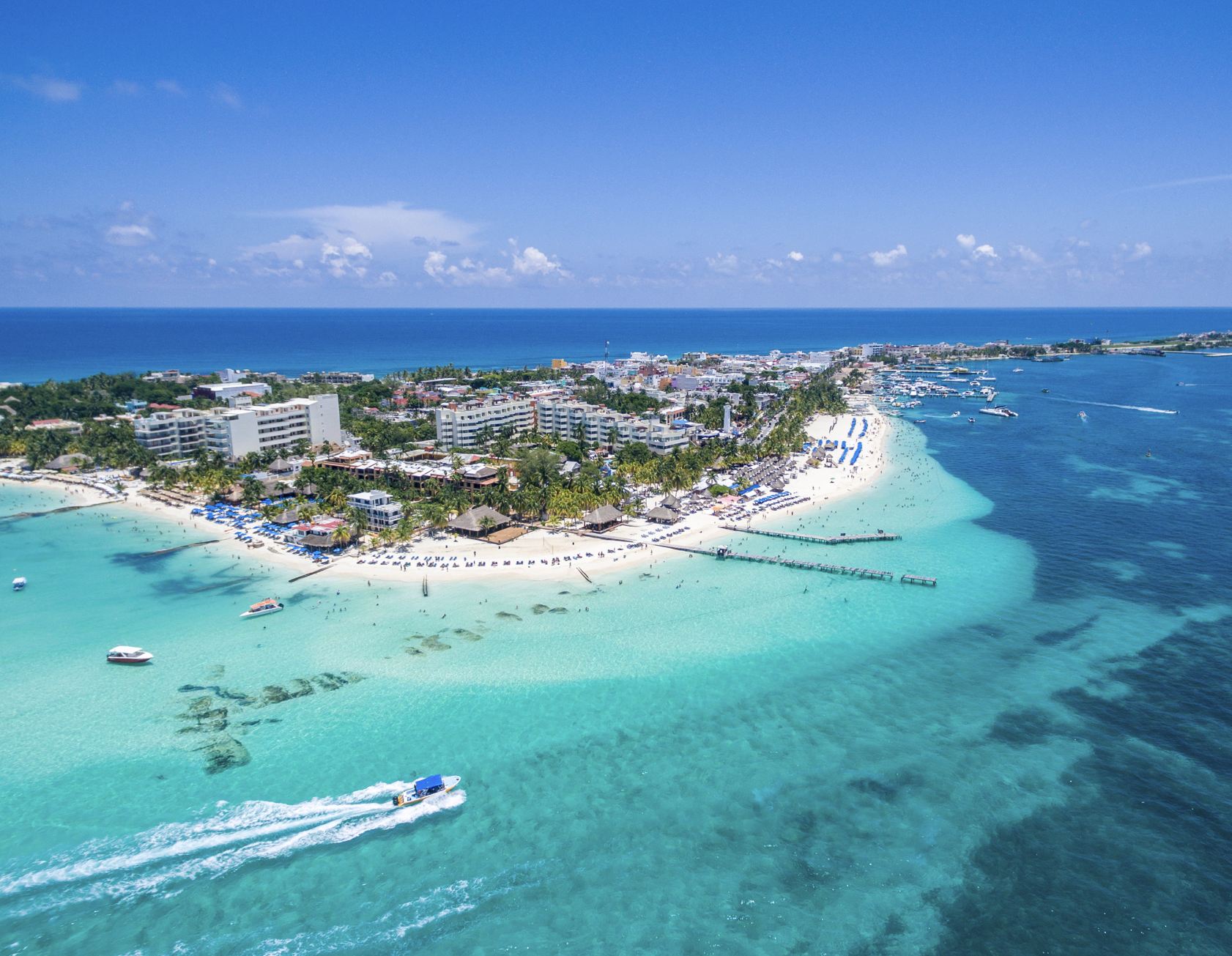
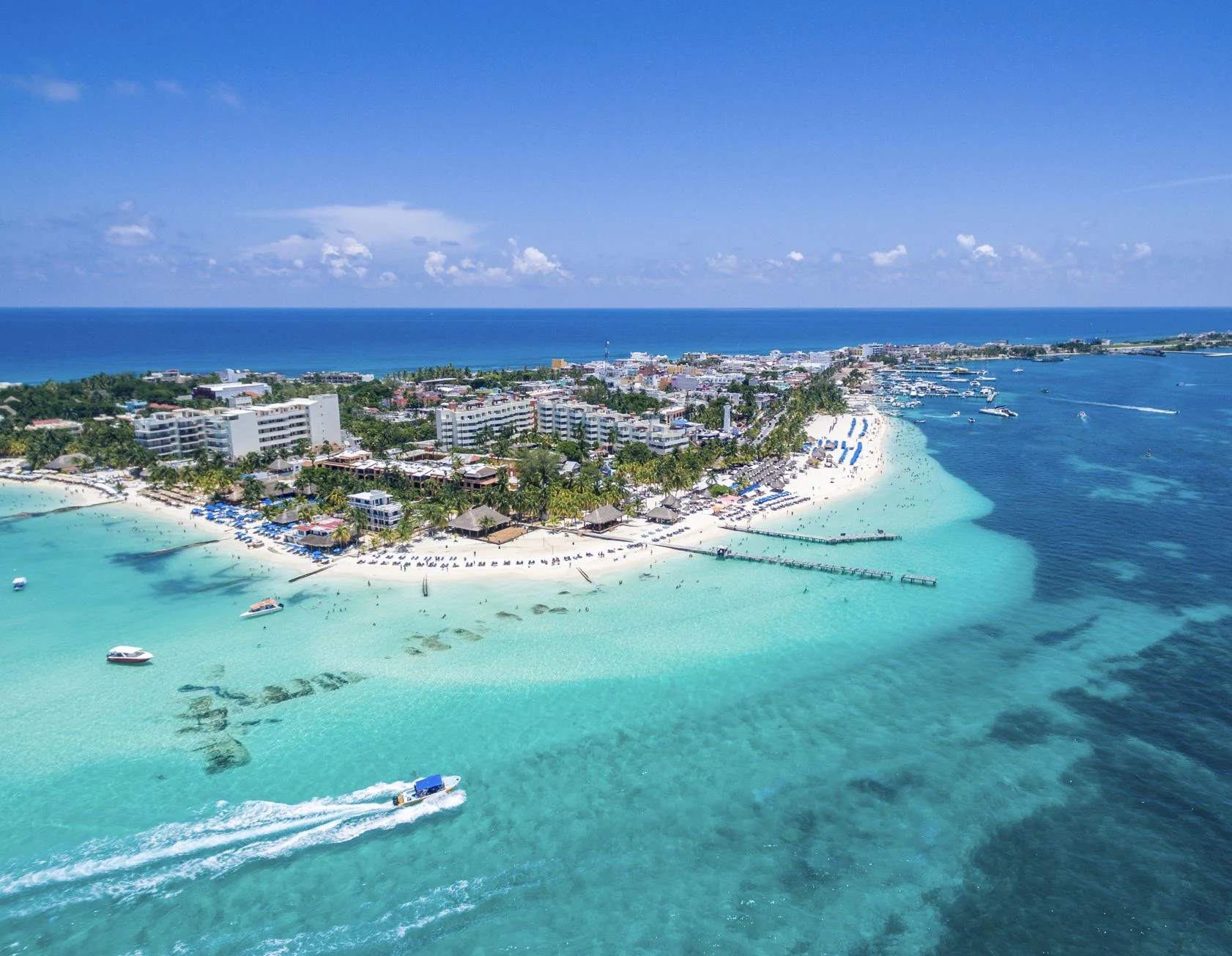
Parts of the Hotel Zone that face the open Caribbean, including Playa Delfines, tend to see stronger waves and more red or black flag days. Calmer options often include north-facing beaches and islands like Playa Langosta, Playa Caracol, or Isla Mujeres’ Playa Norte, which are more sheltered.
A few planning tips:
Families with kids or weak swimmers:
- Prioritize resorts and areas known for gentler surf and great pools.
- Our coverage of recent safety reminders—like tourists being urged to be cautious on all Cancun beaches—includes practical advice on picking safer spots.
- Use the beach for sandcastles and photos on rough days and keep actual swimming in the pool.
Confident swimmers and repeat visitors:
- Don’t let familiarity make you complacent. Many incidents involve strong swimmers who underestimated red-flag conditions.
- On red-flag days, stay in waist-deep water at most, and skip the inflatable toys that can drift out fast.
Visiting in winter:
- December–February can be gorgeous, but cold fronts known as El Nortes can blow through and turn the sea rough even under blue skies.
- We’ve explained how those fronts affect surf, ports, and day-trip plans in our recent coverage, and our trip-planning tools can help you spot months with calmer conditions.
If you hit a week with stubborn red or black flags, our advice is simple: treat the ocean like a closed attraction and pivot to pools, cenotes, or inland activities for a day or two. That’s exactly the strategy we lay out in our guides to red-flag days and December beach crowds.
How This Fits Into Your Overall Cancun Trip Plan
This latest rescue is part of a broader pattern. Authorities have repeatedly urged caution after clusters of incidents, added lifeguards to busy beaches, and extended hours and cleaning crews to handle December crowds at hotspots like Playa Delfines and Gaviota Azul.

For your trip, that means:
- You’ll likely see more lifeguards and staff on the sand, especially in high season—that’s a good thing.
- Flags may change more often than you’re used to back home, as conditions can flip quickly with El Nortes or passing storms.
We at The Cancun Sun will keep tracking safety operations, lifeguard changes, and flag warnings across the Hotel Zone, Costa Mujeres, Isla Mujeres, and the wider Riviera Maya. For now, the takeaway is simple:
Respect the flags, know your limits, and use Cancun’s pools and calmer beach options as part of the plan—not as a backup after a scary moment in the surf.
Do that, and Playa Delfines and the rest of Cancun’s coastline will stay what they’re meant to be: the highlight of your vacation, not the headline.
The Ultimate Cancun Trip Planner
When’s the best time to go? Our powerful month-by-month guide breaks down the weather, crowds, sargassum, and prices for your perfect trip.
Find Your Perfect Cancun & Riviera Maya Resort In Seconds
This simple, powerful tool was built by our on-the-ground experts to match you with the ideal resort for your specific budget and travel style.
Subscribe to our Latest Posts
Enter your email address to subscribe to The Cancun Sun’s latest breaking news affecting travelers, straight to your inbox.